Our Vision

Our Vision
Tribal communities lived amidst abundance and plenty in the past. ‘We require
nothing from outside, except salt’ was the popular chant of these communities in the
hinterlands of South Odisha, Yet, over the years many forces deprived them of this
self-sufficiency, while leading to extensive denudation of their lands, rivers and forests.
Now these once proud people are stalked by hunger and poverty, exploited to the hilt by
vested interests, and eager for doles to make ends meet. How could this process be reversed?
The answer came in several dialogues with the women, who were the worst affected, as they
were responsible for the non-cash livelihood supports for the family including firewood,
fuel, fodder, and forest foods including wild edible tubers, and fruits, spinash, etc. If
our lands could once again have forests, if we could access fire-wood close at hand, then
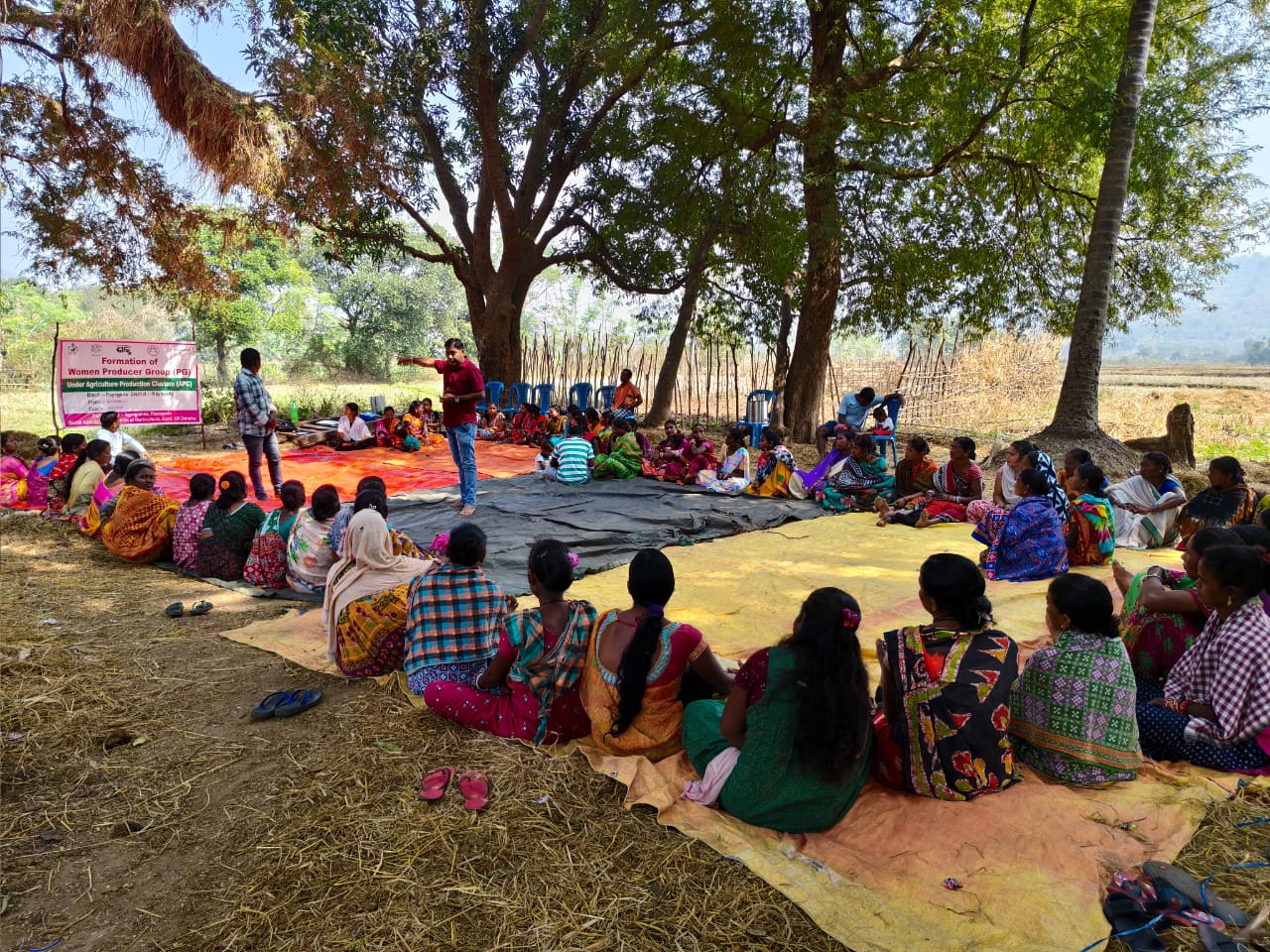
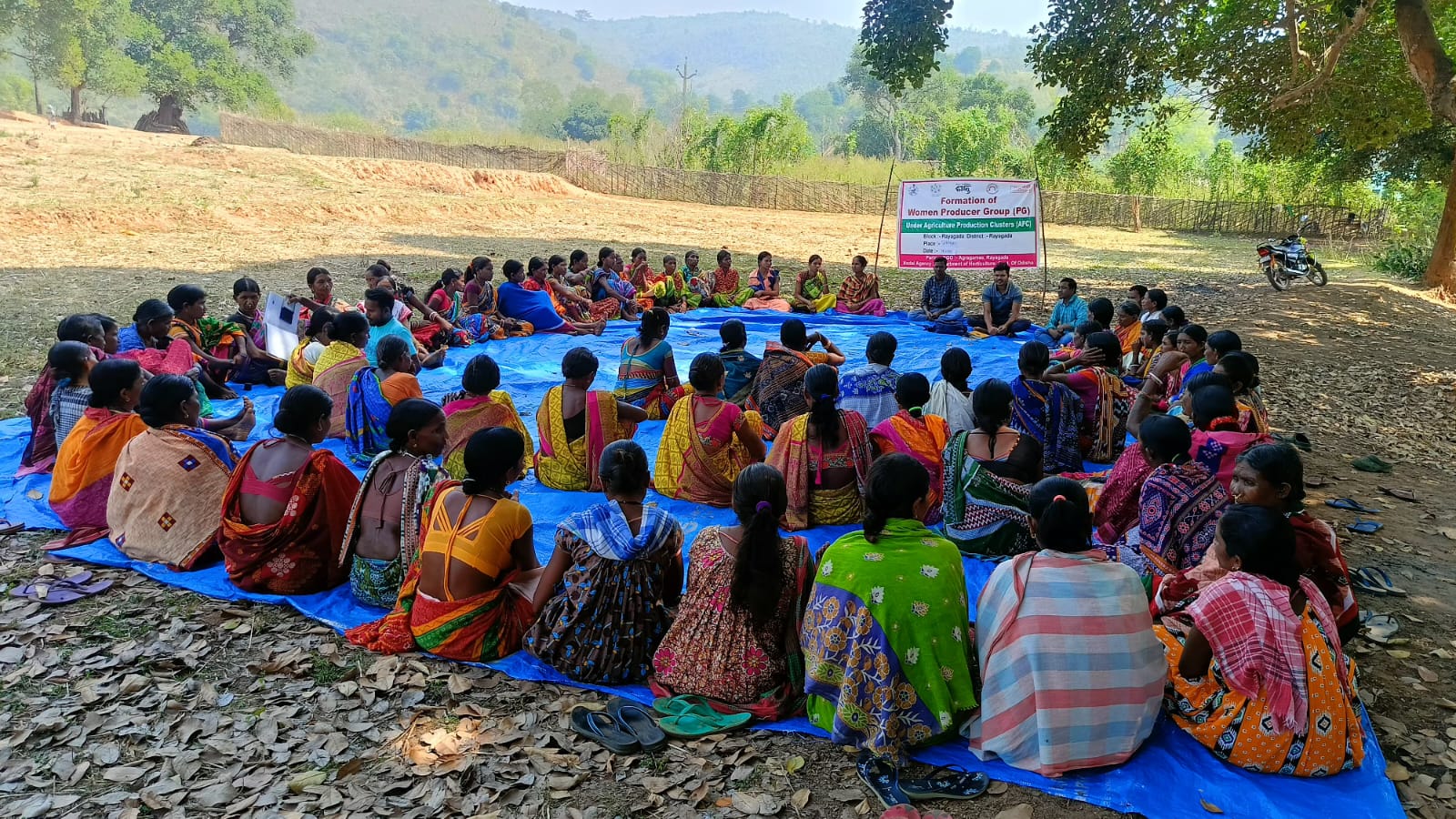
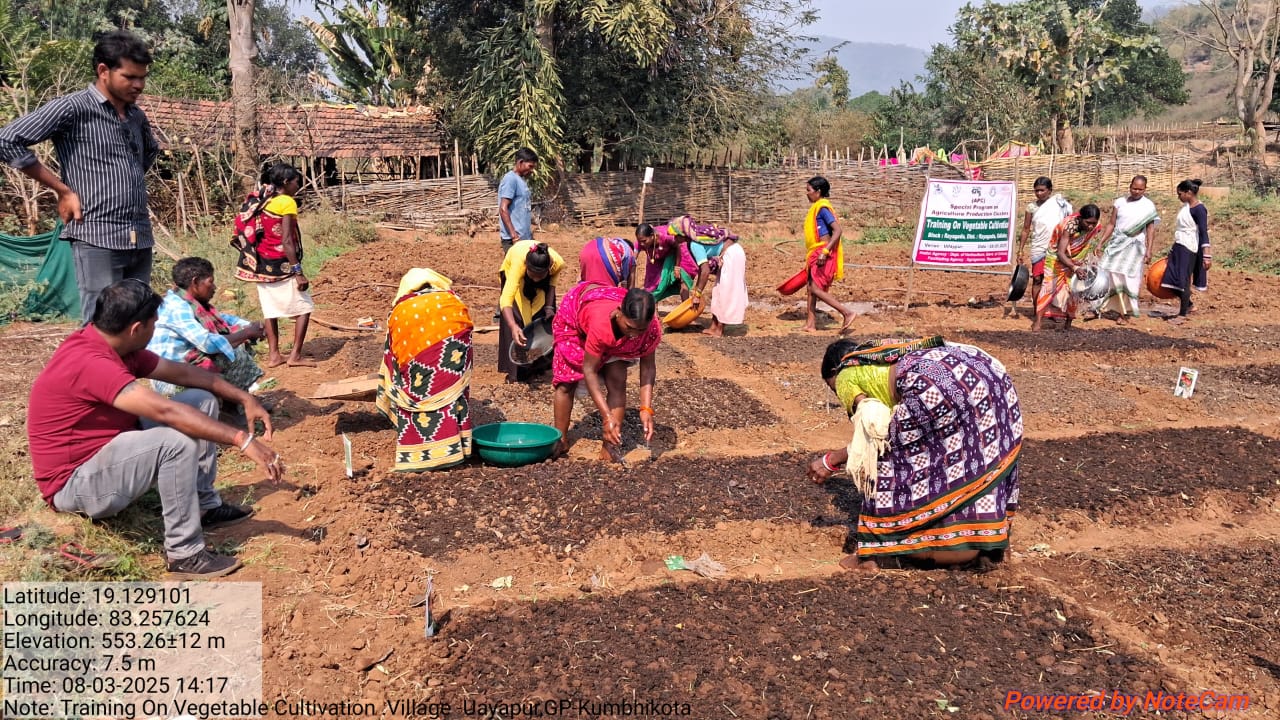
our life would be much easier they said. And so the idea of collective work to reclaim
common lands that had become almost completely denuded due to shifting cultivation gradually
began to take shape. We can fence in the commons, we can keep the cattle out, and take up
plantations they said. We shall have income generating plants like cashew on the lower
slopes, and local species that provide firewood and timber on the higher slopes they
designed. We shall also work on our lands, so that we can fence them in, and have better
cropping they decided. While Agragamee supported the women’s collectives for fencing and
cashew nurseries, women collected the local plant material, and made their own nurseries.
This project supported by IPAF (Indigenous People’s Assistance Facility), has enabled the
reclamation of 100 acres of common lands, helping 250 women ensure better livelihood
security for their families, has set an example for other tribal villages, as also for other
donor groups for supporting conservation and ecological regeneration in the denuded tribal
regions.
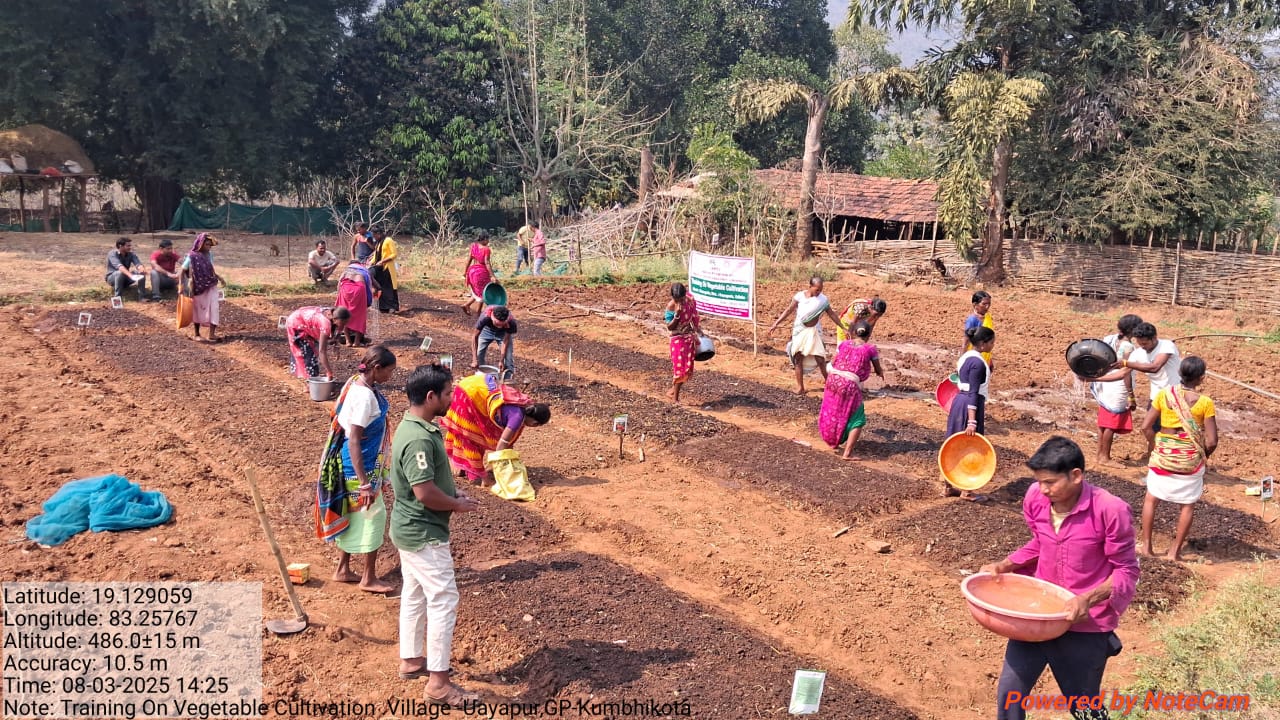
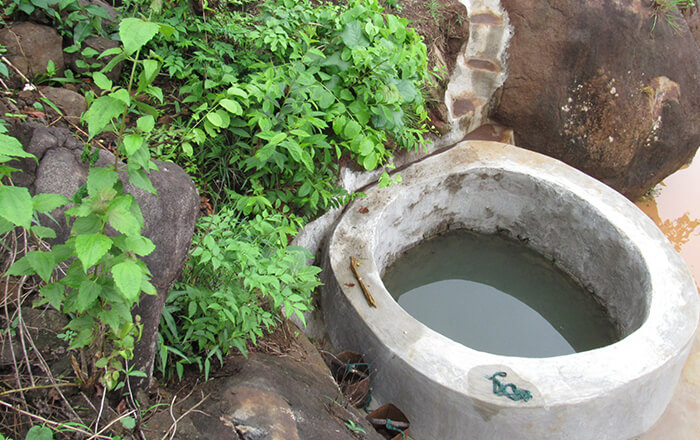
The Eco-village Project seeks to address this multiple and complex set of problems, in close
consultation with village communities. The project combines indigenous people’s resources
with development of agro-ecological models, based on perma-culture principles and
conservation and optimization of local flora and fauna, as also genetic material for
preservation of the bio-diverse agriculture system of the tribal people. Traditional
practices for management and governance of commons have been further strengthened through
the use of enabling legislations including the Tribal Forest Rights Act, as well as the
Provisions of the Panchayats, Extension to the Scheduled Areas Act to ensure institutional
and legal sanction to the lands brought under ecological use and management under the
programme.
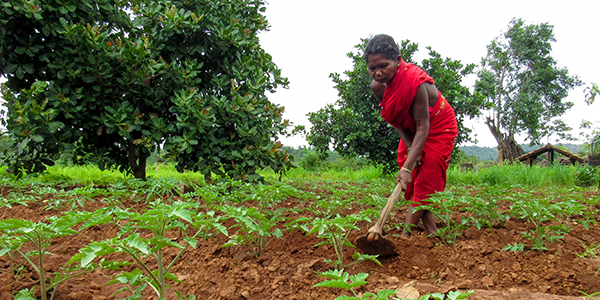
Rukmini Majhi (60) of Y-Kebidi village in Chandragiri gram panchayat of Odisha’s Kashipur
block is seeing a ray of hope and an end to her long struggle with poverty, an unfeasible
and unreliable agriculture and life in a condition where economic opportunities were too
meagre to fulfil the personal and social needs.
“Five years ago, we lived a miserable life as farm labourers because there was not much of
work opportunities. And, as agriculture didn’t remain feasible or a reliable profession, we
had to borrow money from the Sahukar (local people engaged in the business of money lending)
more often and all our efforts were to repay the money with interest. Life was really
difficult then” Rukmini said.
It was because of the financial difficulties that Rukmini couldn’t even make proper medical
treatment available to her husband who died of lingering fever. “There was absolutely no
hope but just to struggle to make a living,” says Rukmini recalling the past.
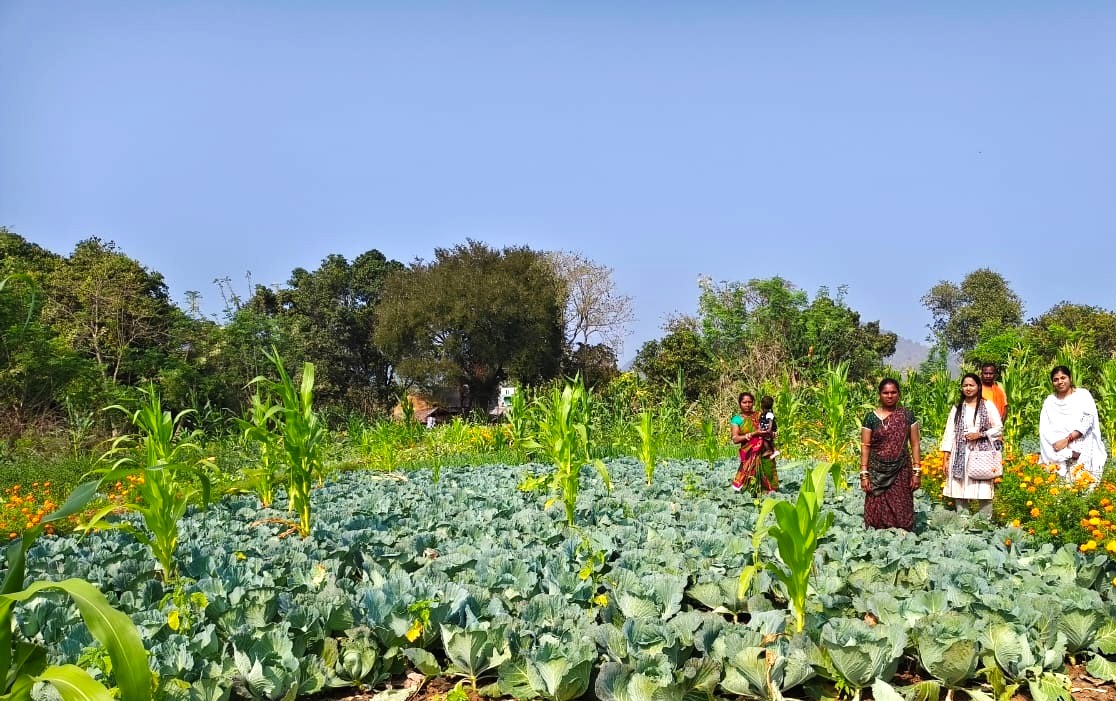
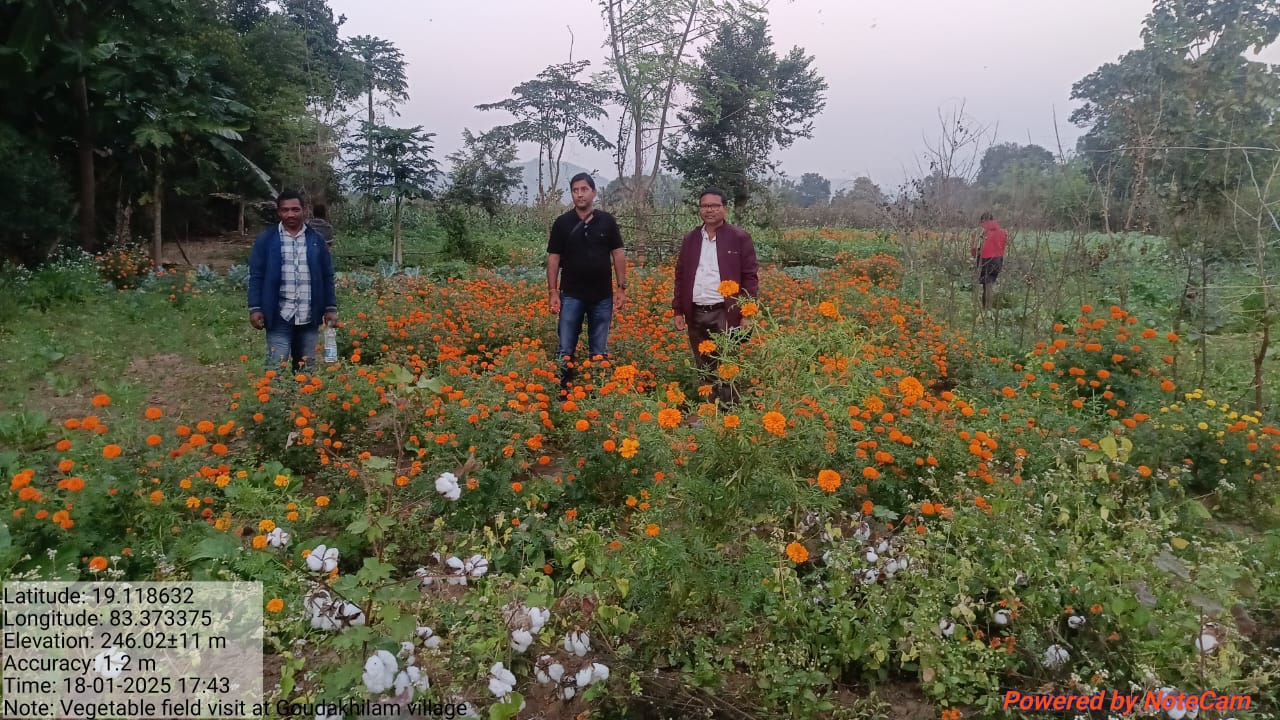
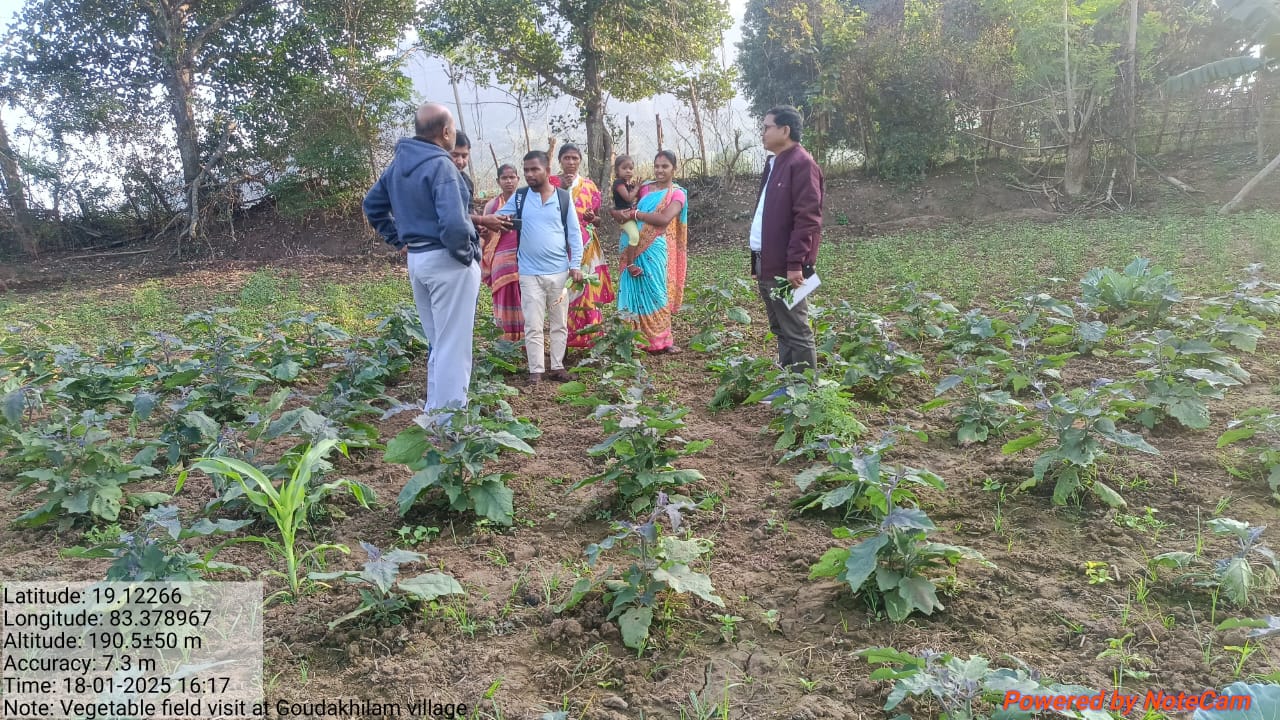
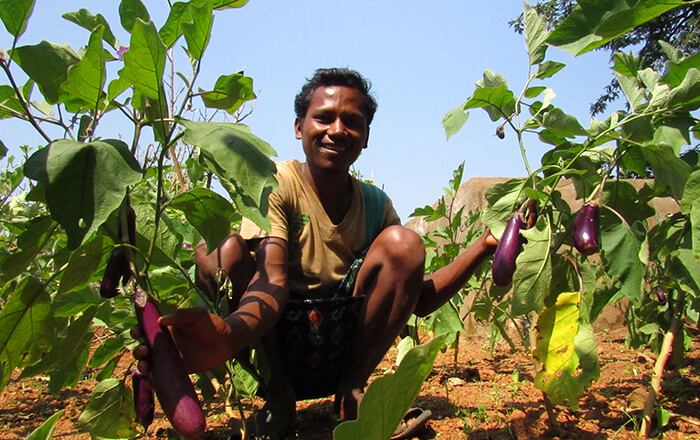
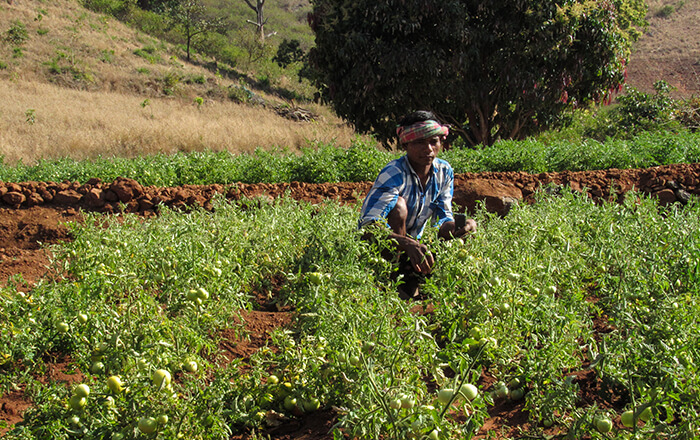
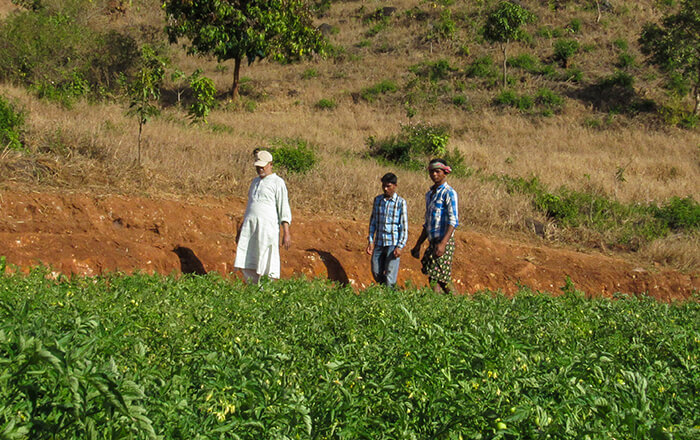
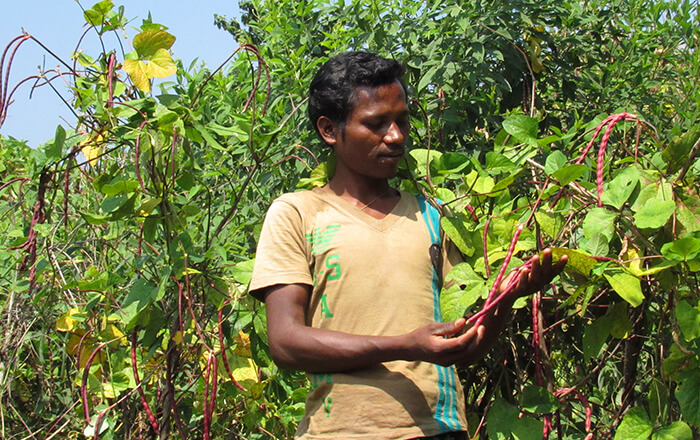
“Since last two years, as we have been practicing multi-crop farming in our family land and
the community land on the hill slopes, life seems to be changing for better now,” said
Rukmini adding, “I have grown maize, brinjal, kandul or arhar (yellow pigeon peas) and beans
in my family farm land. Apart from vegetables and cash crops, I have also planted Mango,
Banana, Neem and Papaya in the farm that has a vegetative fence,” Rukmini said while showing
her farm with great pride.
The change that has come in the lives of Rukmini and hundreds of other women has been the
result of an IPAF (Indigenous People’s Assistance Facility) supported project jointly
managed and implemented by Amasangathan and Agragamee, two non-government organisations
working for socio-economic empowerment and holistic development of women and tribal
communities in the Kashipur Block.
This landscape approach under the project, is backed by training and advocacy efforts for
upscaling, and replication.
The project has had a large scale impact, and laid the ground for further support for
replication of the eco-village model.
The project has had a large scale impact, and laid the ground for further support for
upscaling the eco-village model.
For further information:
visit : www.agriculturesnetwork.org